Swamp Mallet Eucalyptus spathulata
E. spathulata is a mallet tree growing to 10 m tall.
A mallet is a small (usually less than 10m) Eucalyptus tree often found in semi arid areas, which is a similar habitat to the mallees. A mallet different from a mallee in that a mallet forms a single narrow stem or trunk whereas a mallee forms multi stems.
Unlike mallees, mallets rarely form a lignotuber. This is a woody swelling at the base of the tree below or just above the ground. It contains ‘adventitious’ buds i.e. new buds normally appear much higher in the tree but these ones are a useful adaption that allow the tree to develop new shoots if the top of the plant is breaks off or is burnt.
The bark of E. spathulata is smooth, satin-like throughout, silvery grey over coppery, pink and bronze.
Flowering is typically in January, February but also in October. The flowers are white.
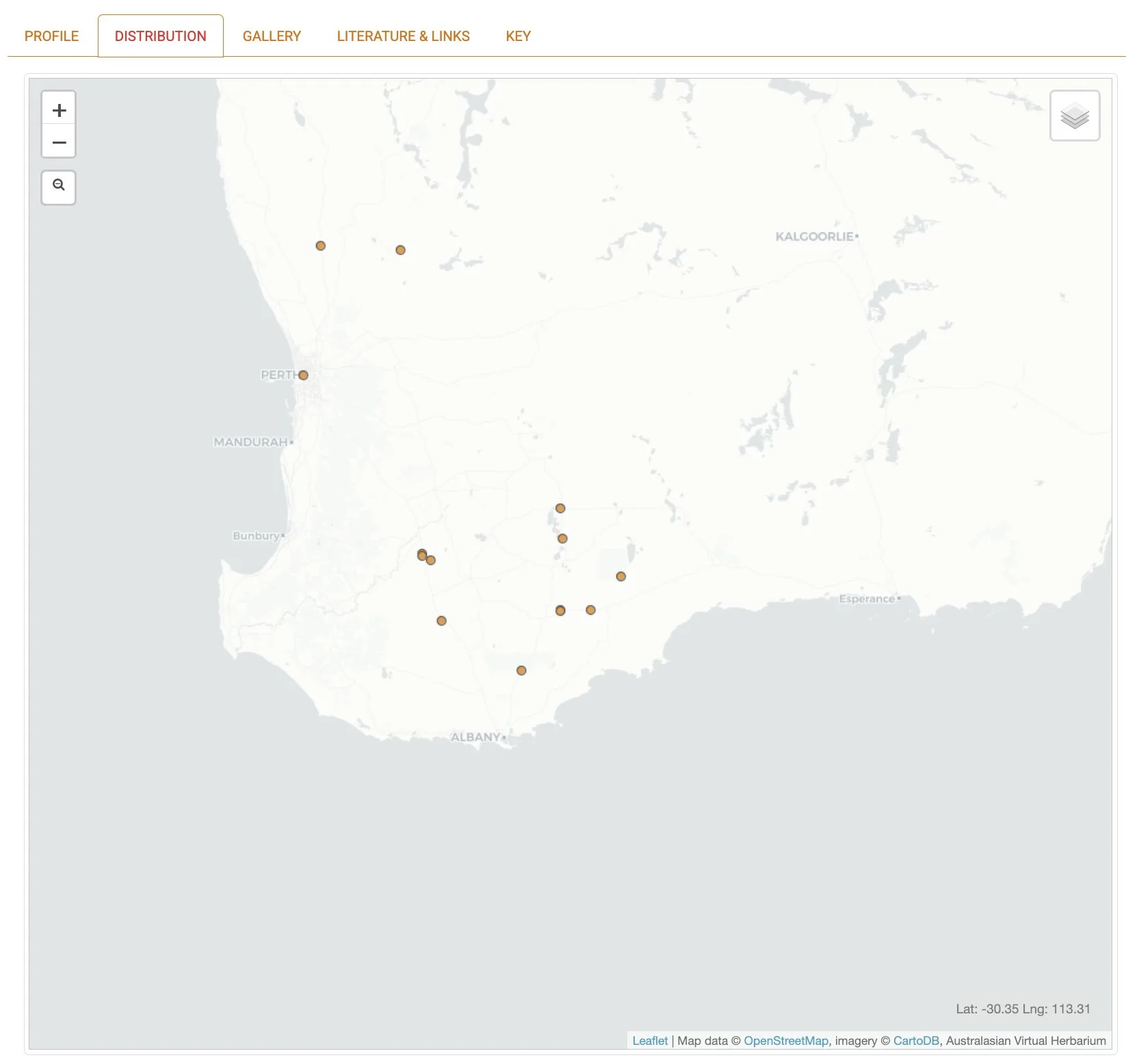
It is found naturally in the eastern wheatbelt in the Tammin – Pingaring – Dumbleyung – Ongerup – Lake Grace area. It is usually found on saline sites, which have become more extensive in this area due to widespread clearing for agriculture. The loss of deep rooted vegetation has enabled the saline ground water to rise to the surface in many locations. It is used extensively in these salt affected areas as reclamation plantings, in part to help lower the saline watertable.
The name derives from the Latin word spathulatus, spathulate or spatula-shaped. It’s unclear how this relates to this tree!
The tree was planted in the Park in 1984.
Sources
Source EUCLID - Eucalypts of Australia Forth Edition (2020) - https://apps.lucidcentral.org/euclid/text/entities/eucalyptus_spathulata_subsp._spathulata.htm
Flora of Australia -https://profiles.ala.org.au/opus/foa/profile/Eucalyptus%20spathulata
Gardner, C. A. (1987). Eucalypts of Western Australia. Perth, Western Australia, Western Australian Herbarium, Department of Agriculture.
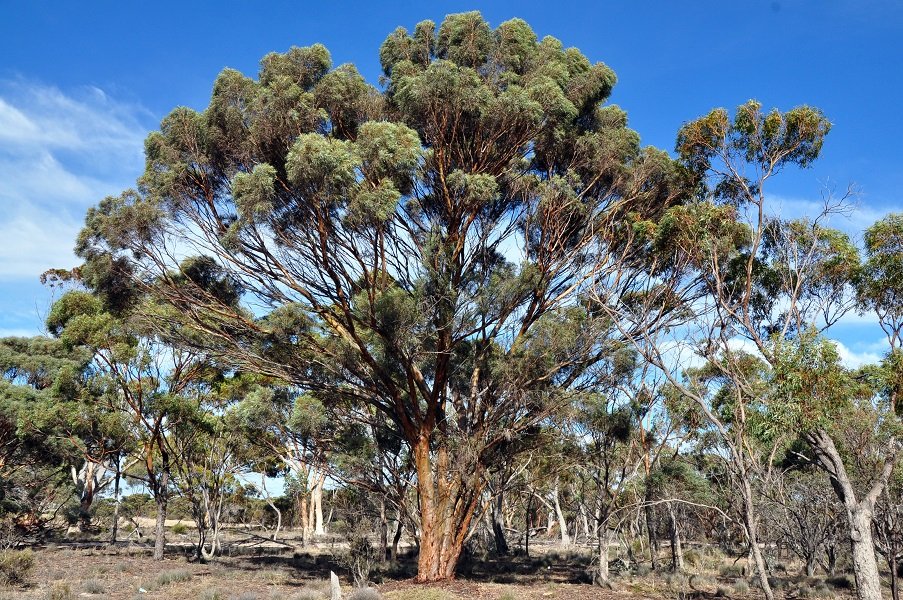
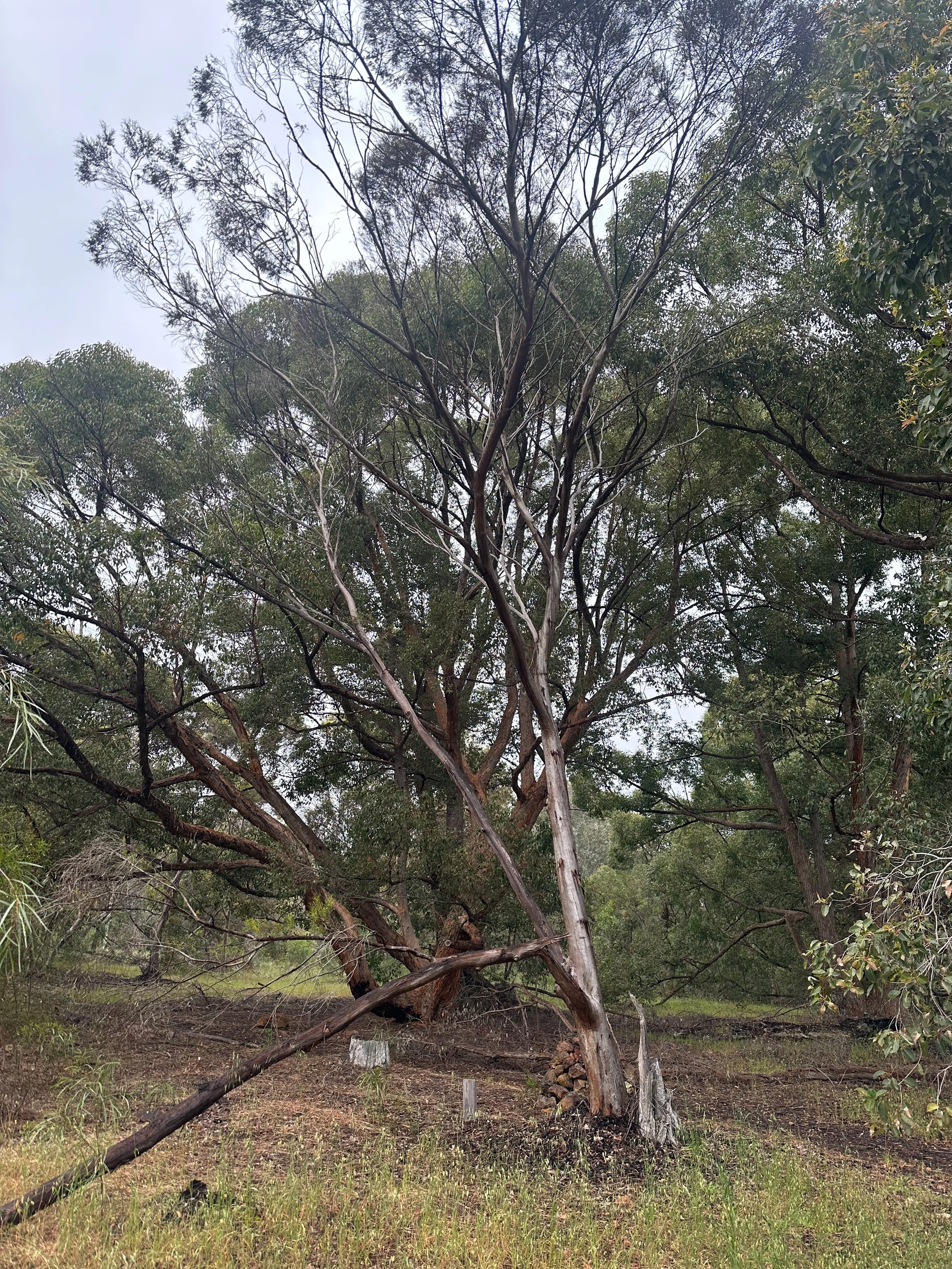
Eucalyptus spathulata in the Park